

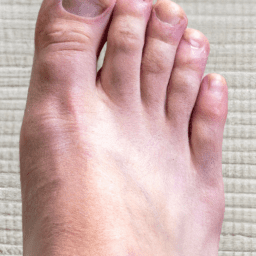
Injuries to the toes can be painful, and it can be difficult to determine the severity of the injury. Knowing the difference between a bruise and a break can help you determine the best course of action to take. This article will discuss how to differentiate between a bruise and break and how to determine injury severity.
Determining Injury Severity
When you have injured your toe, it’s important to assess the severity of the injury. If you have a mild injury, such as a toe that is slightly swollen, it is likely that you have a bruise. If the toe is swollen and you are unable to move it or it appears deformed, it is likely that you have a break. In either case, it is important to seek medical attention as soon as possible to ensure that your injury is properly treated.
Distinguishing Between Bruise and Break
When assessing a toe injury, it is important to be able to distinguish between a bruise and a break. Bruises are caused by the tiny blood vessels in the skin being damaged and leaking blood. This can cause swelling, pain, and discoloration of the skin. A break, on the other hand, is caused by a fracture in the bone. This can result in swelling, pain, and deformity of the toe.
If you think you have a broken toe, it is important to seek medical attention as soon as possible. Your doctor will assess the injury and take x-rays to determine if the bone is fractured. If a fracture is detected, your doctor will likely recommend a cast or a splint to help the toe heal properly.
Injuries to the toes can be painful and it is important to assess the severity of the injury accurately. Determining the difference between a bruise and a break can be difficult, but it is important to seek medical attention if you think you have a broken toe. By understanding the differences between a bruise and a break, you can ensure that your toe injury is properly treated.
If you’ve recently injured your toe, it’s important to determine whether it’s broken or just bruised. To help you make that call, here’s an overview of the difference between a broken toe and a bruised one, as well as instructions to aid in proper diagnosis and treatment.
The primary difference between a broken toe and a bruised one is the presence or absence of pain. In simple terms, a bruised toe will be tender and the area may be swollen, but the person is still able to move the toe and feel no sharp or stabbing pain. On the other hand, if the toe is broken, the person will feel a sharp, stabbing pain and there will likely be some sort of physical deformity. Movement of the toe may be impaired, or the toe may even feel as if it is “out of socket.”
If you have injured your toe and you’re trying to decide if it’s broken or just bruised there are a few simple steps to take. First and foremost, assess the level of pain. If the degree of pain is greater than any pain you’ve experienced with past injuries then it’s possible the toe is broken. Next, inspect the toe in question for any abnormalities in shape or size. Finally, try to move the toe. If movement induces sharp, stabbing pain then this is a good indication the toe is broken. If a person is still in doubt, they could visit their doctor to confirm a diagnosis.
Regardless of whether the toe is broken or just bruised, it’s important to seek treatment immediately. For a bruised toe, the primary treatment would be to rest and ice the area in question. Placing some elevation of the toe may also be beneficial. If the toe is broken, splinting the area and seeking medical attention should be considered. Ultimately, a doctor or healthcare professional can provide the best advice in terms of treatment, and help the person make an informed decision about the care of their toe.
In conclusion, it’s not always easy to tell the difference between a broken toe and a bruised one. By assessing the level of pain, inspecting the area for deformities, and attempting to lightly move the toe, a person can usually get a good idea about their condition. If the toe is broken, seeking medical advice is highly recommended. Regardless of the severity, immediate treatment should be sought in order to guarantee a speedy recovery.
